Hot Mess.
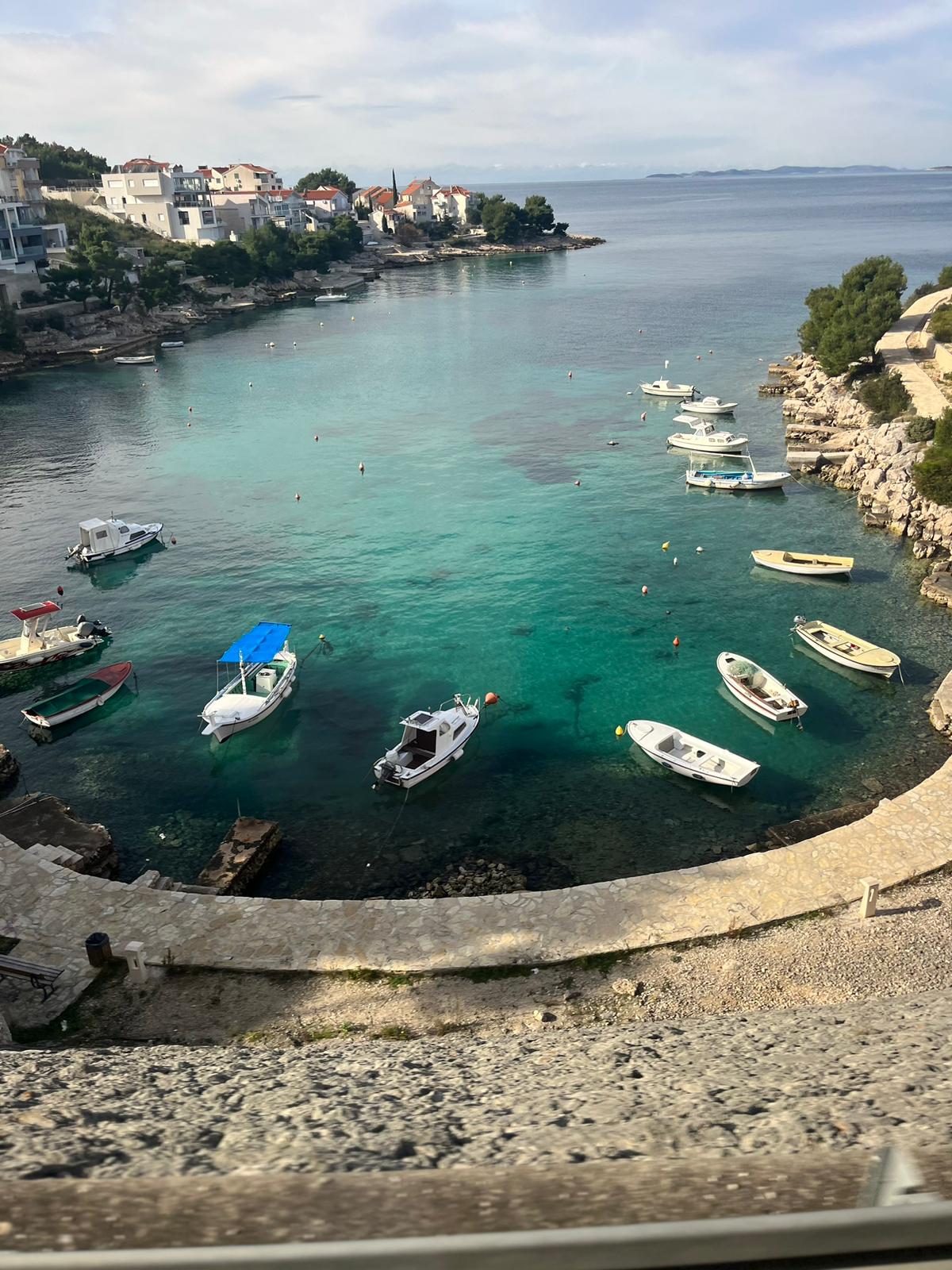
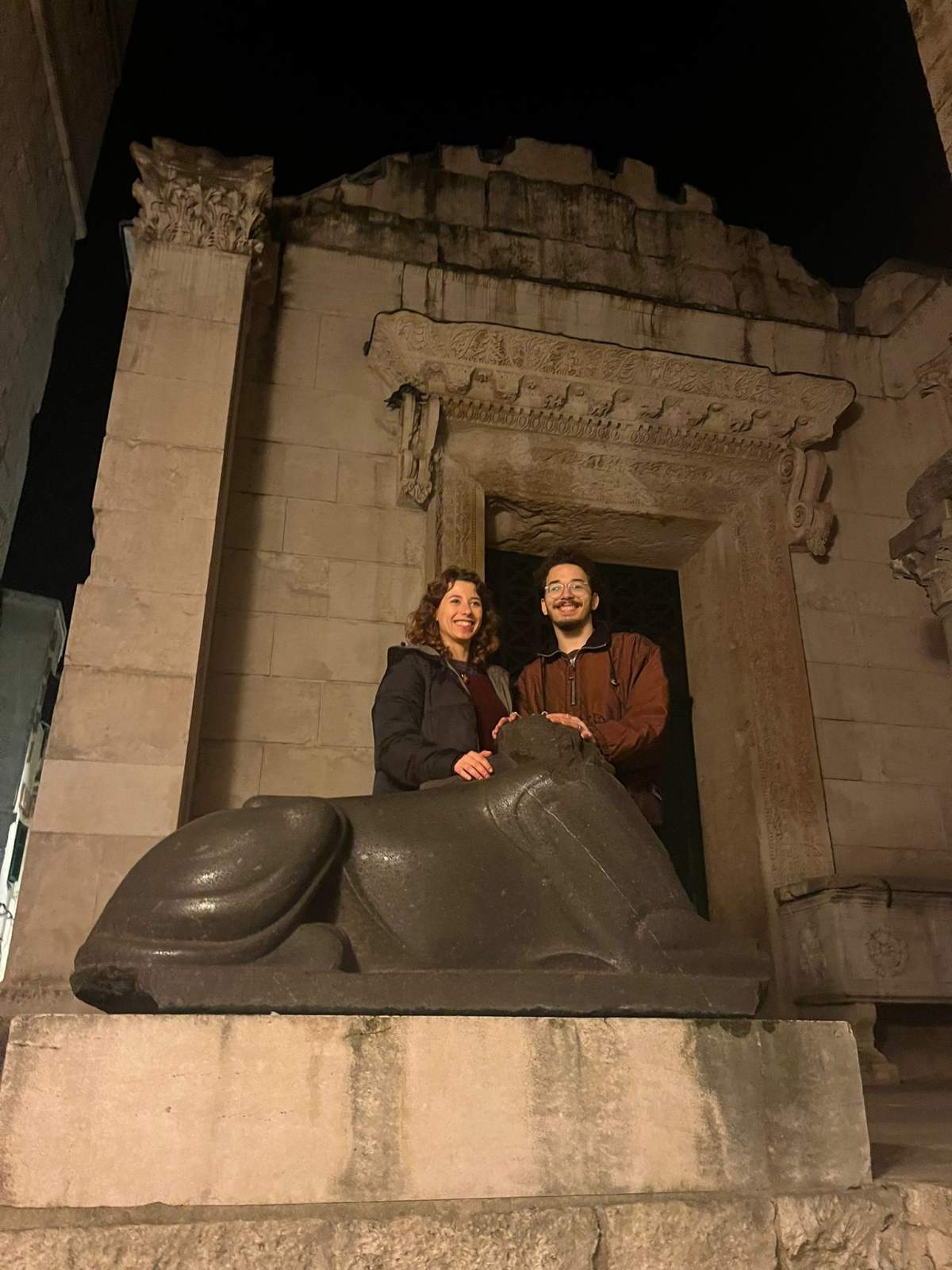
The month of February started with a short trip to Split, where we visited our friend Efe, who we met during the on-arrival training in November. We enjoyed exploring the city without many people around, and the weather was great. We even went ice skating again, because apparently, we can’t leave a city without occupying the local ice skating rink.
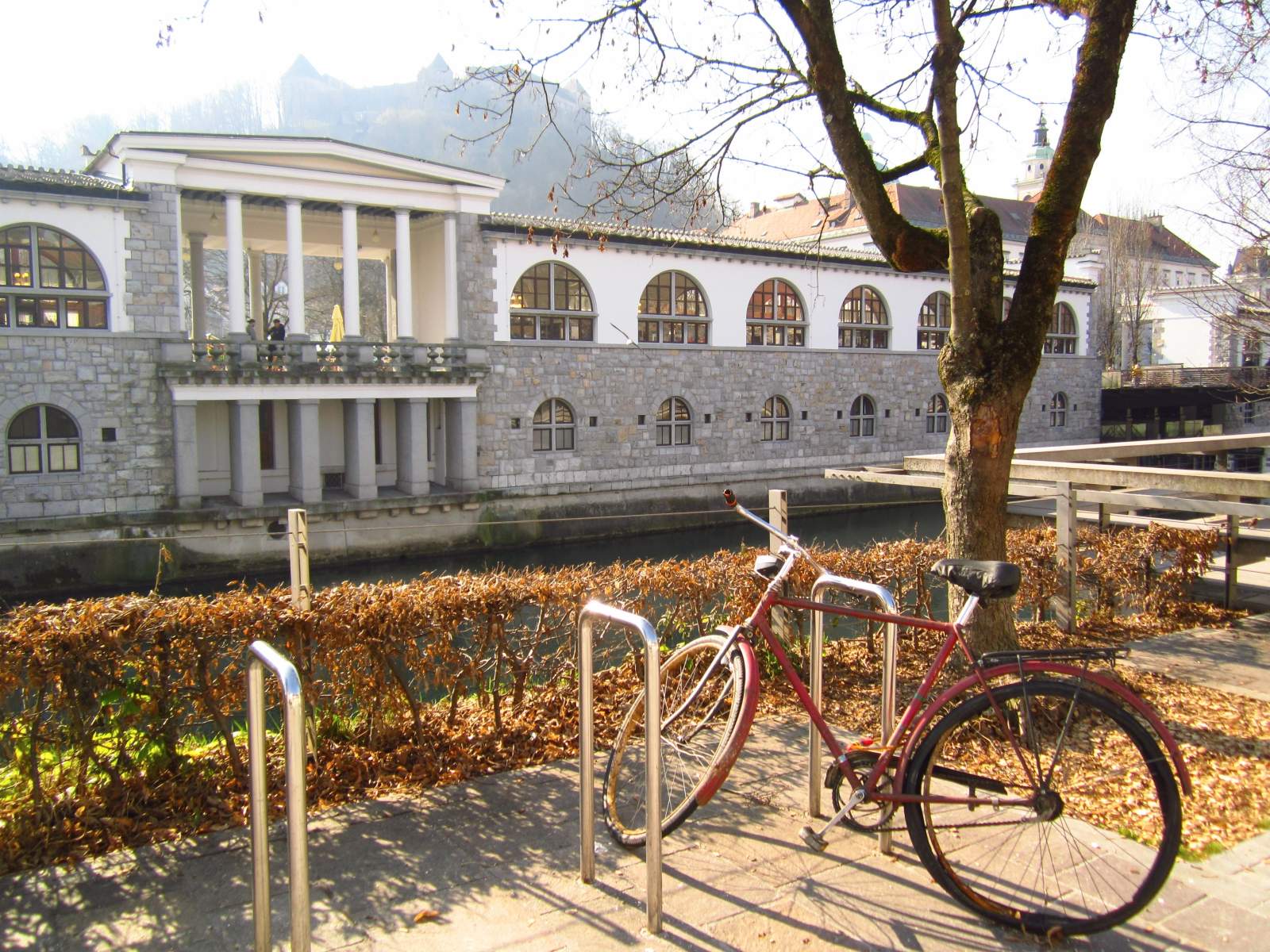
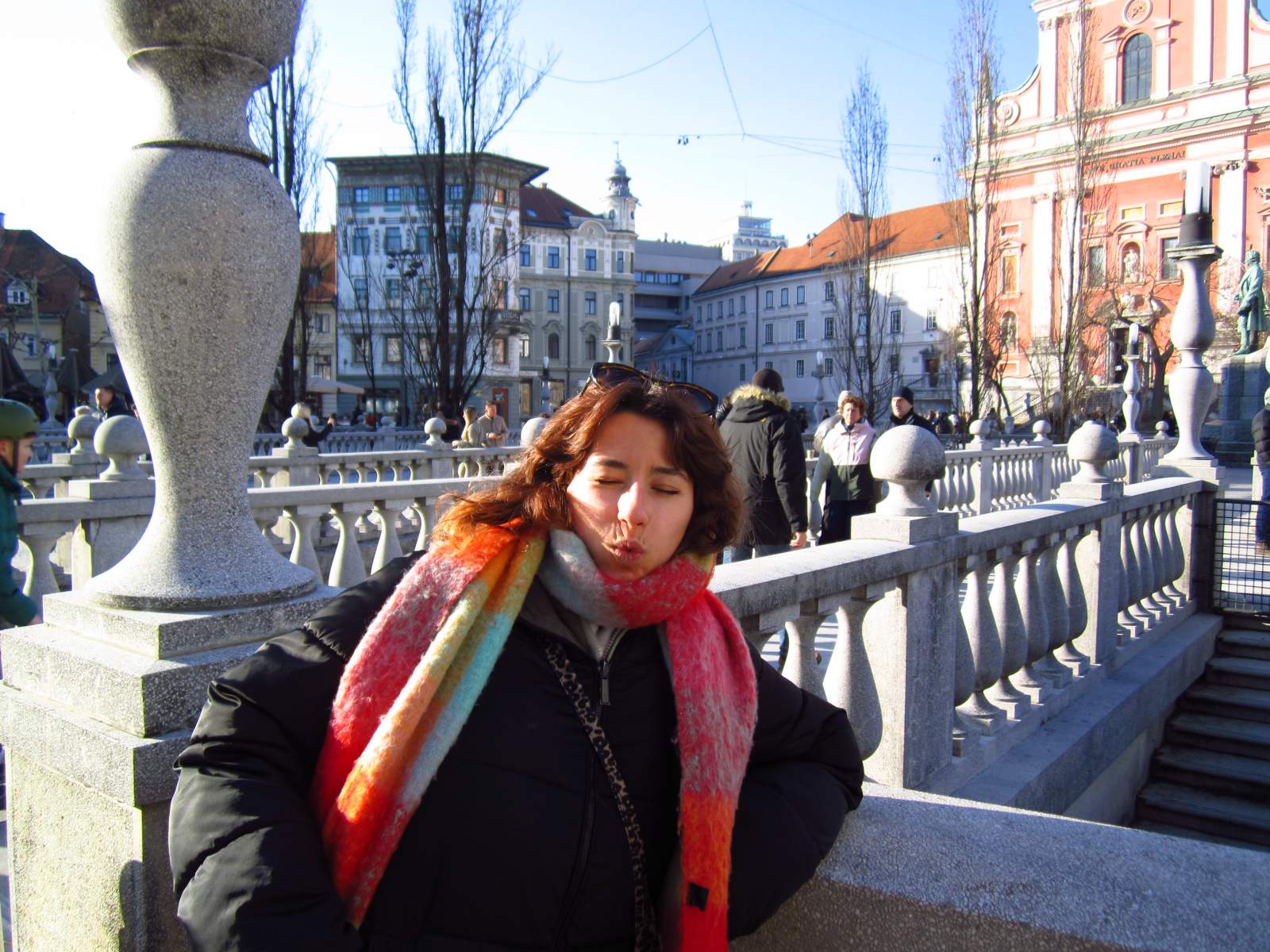
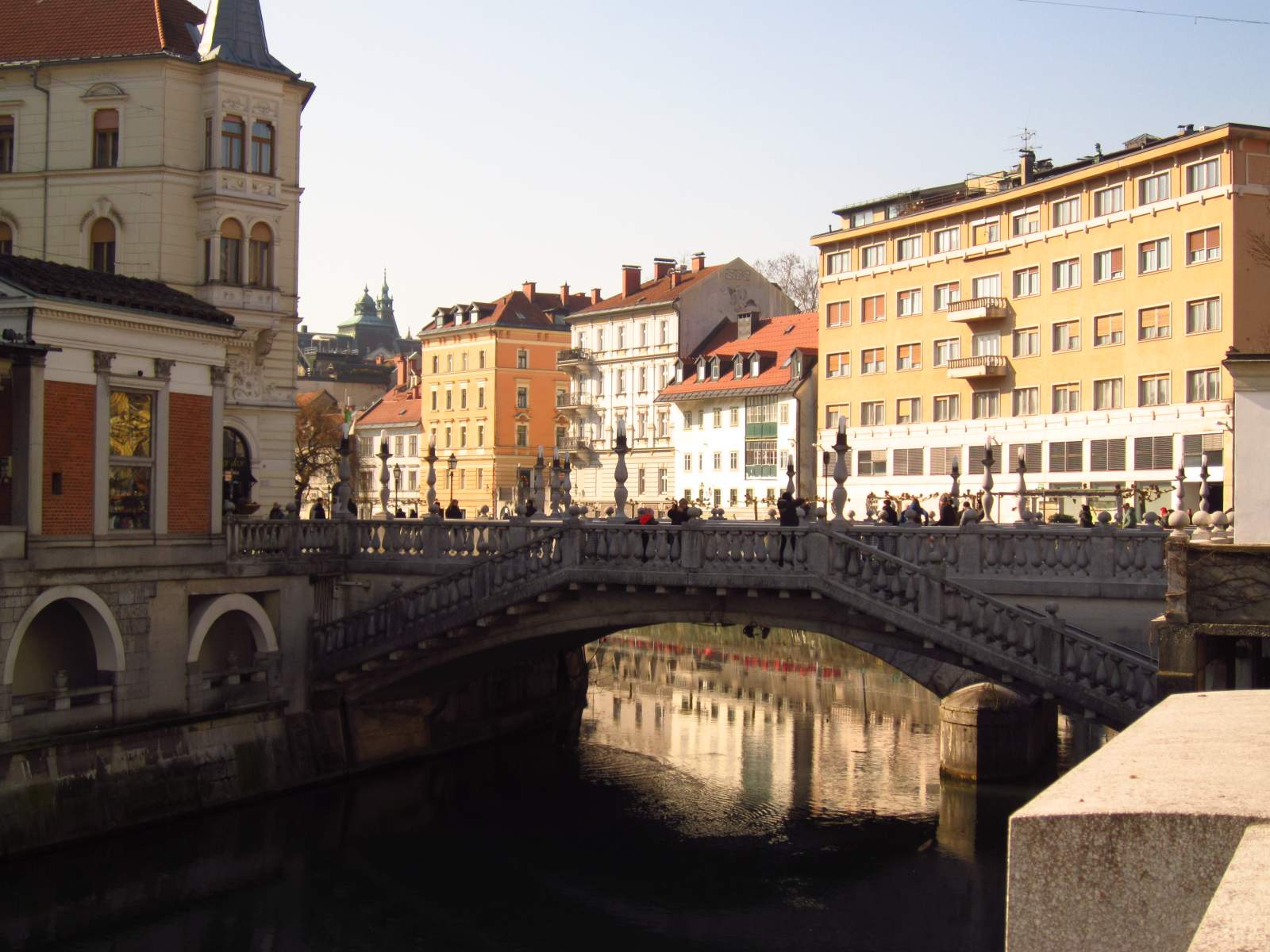
Back in Murter, we continued with the winter program and Eco Wednesdays. It got kind of cold again, and at this point, we just want winter to end and for warmth and life to return. After Ana told me she was going on a trip to Slovenia and Bosnia, I decided to join her to Ljubljana since I had never been there before. Although I loved the city and enjoyed experiencing something different, it turned out to be quite a disaster of a trip. Essentially, I lost my phone on the FlixBus and haven’t been able to retrieve it yet, which has led to a lot of uncomfortable moments in the past few weeks. I also lost my AirPods and had a very stressful journey alone from Ljubljana to Murter.
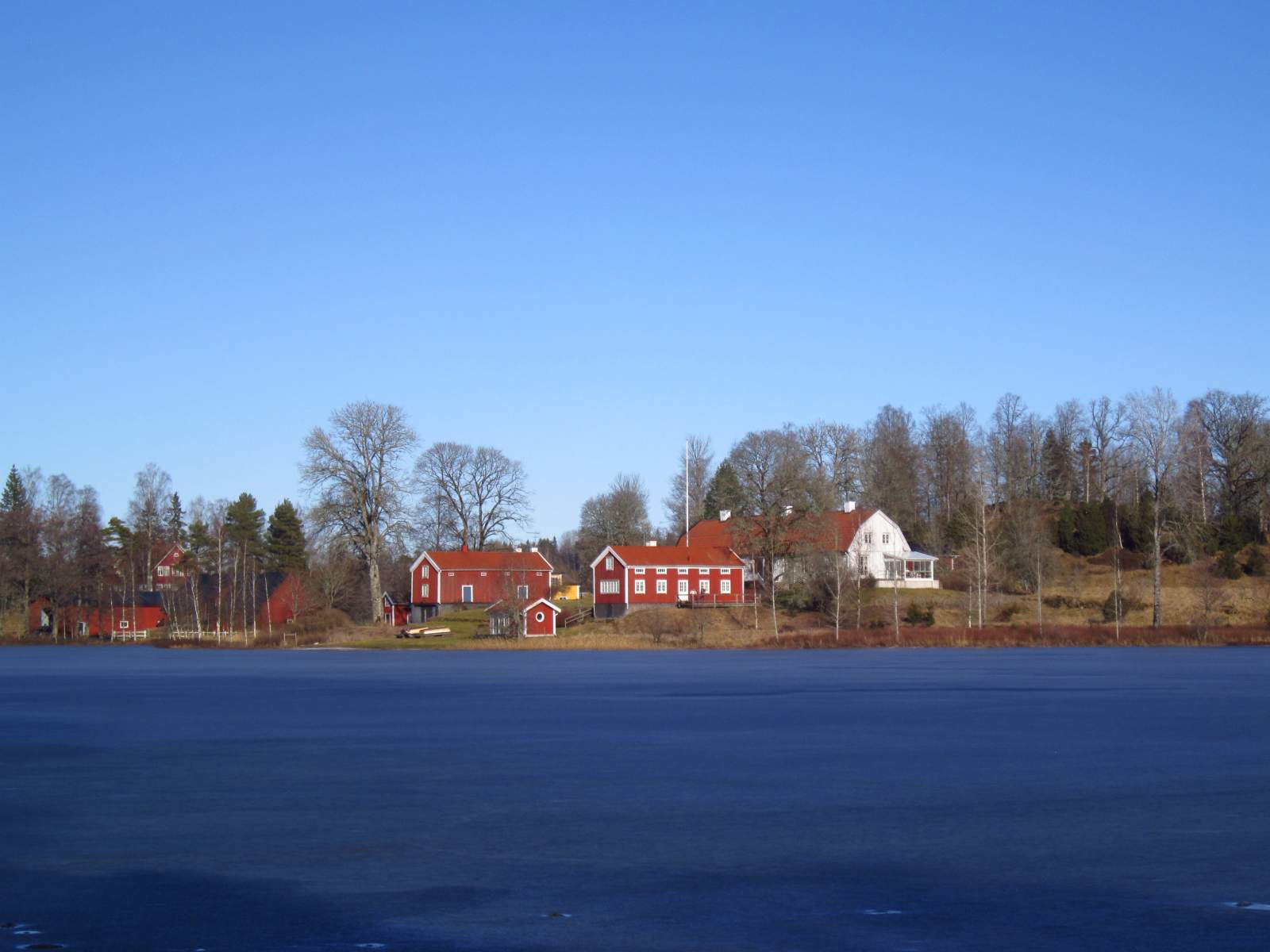
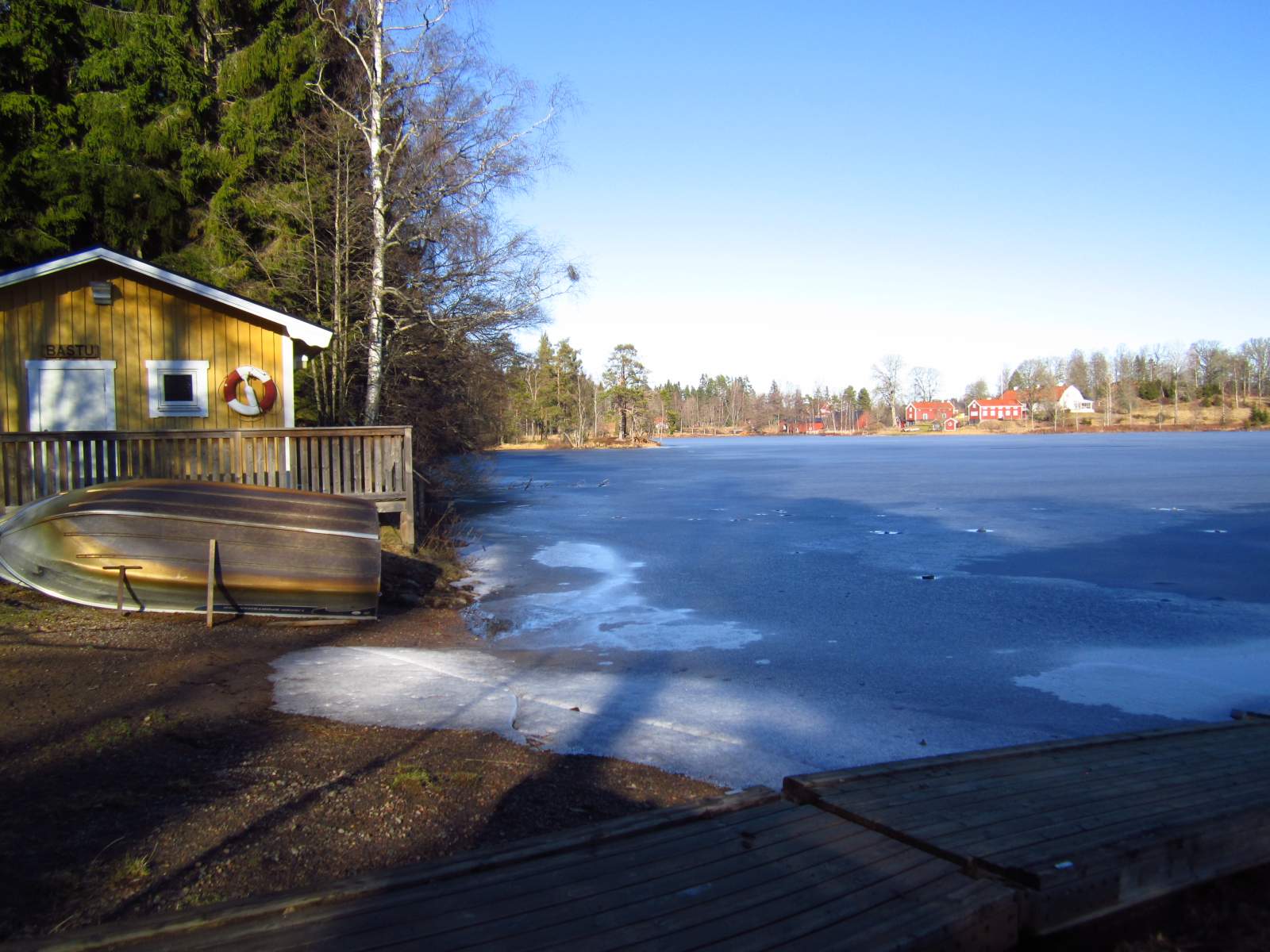
Anyway, after returning from Slovenia, Lucija and I started packing for a preparatory visit to Sweden for the Youth Exchange in March. Those three days in Jönköping, Sweden, were filled with experiences, and I enjoyed being around young people—especially getting to see my best friend from Germany, Annika, who is volunteering in Sweden. It was my first time in Sweden as well, so I was incredibly impressed by the landscape and loved what I could grasp of the culture. Lucija and I even went ice bathing in the frozen lake at the Youth Exchange location, and although we almost froze to death, it was definitely worth it.

When I got back, I was so happy to see Ana again, and I’m looking forward to returning to Sweden with her in two weeks. Until then, I hope to break the curse of losing my entire collection of electronic devices, and I’ll try to find a few pictures to share on this blog, since most of them are on my phone somewhere in a FlixBus.
Theresa, volunteer from Germany

About the ESC: The European Solidarity Corps is a program of the European Union to strengthen solidarity in various areas: from helping the disadvantaged and providing humanitarian aid to engagement for health and the environment in the EU and beyond.
The program offers young people the opportunity to respond to the needs of the community, make a concrete contribution to society, and in the process gain invaluable experience and develop new skills. The program is also intended for organizations active in the field of solidarity that want to involve young people in their activities.