
Temperature reduction and greening of surfaces for our second Eco Wednesday workshop
- 10. 7. 2026.
- 11:39
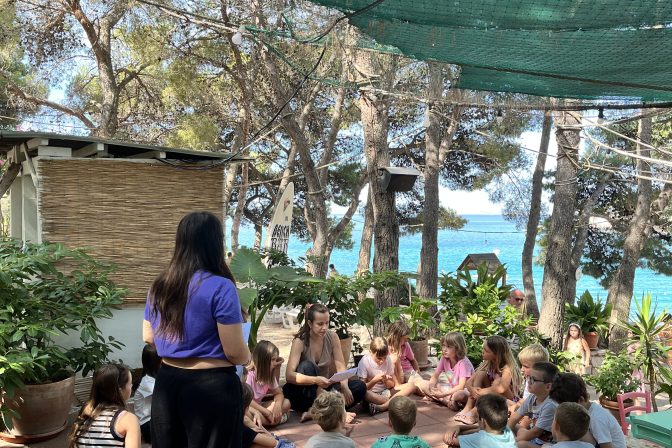
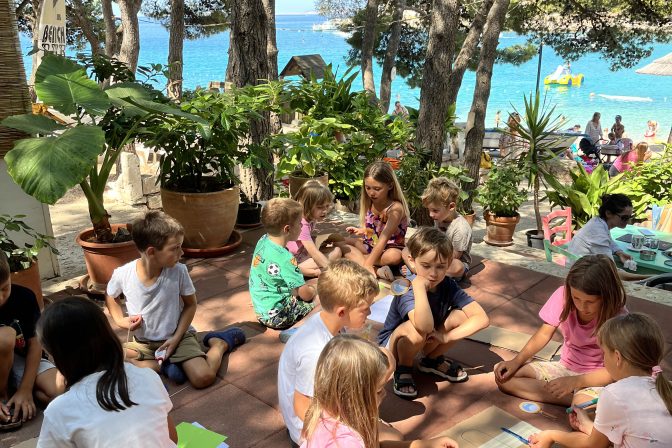
Last Wednesday, we held our second summer EKO Wednesday workshop in Lantana!
Last Wednesday, our young explorers became Heat Detectives as they discovered how nature helps keep our cities cooler.
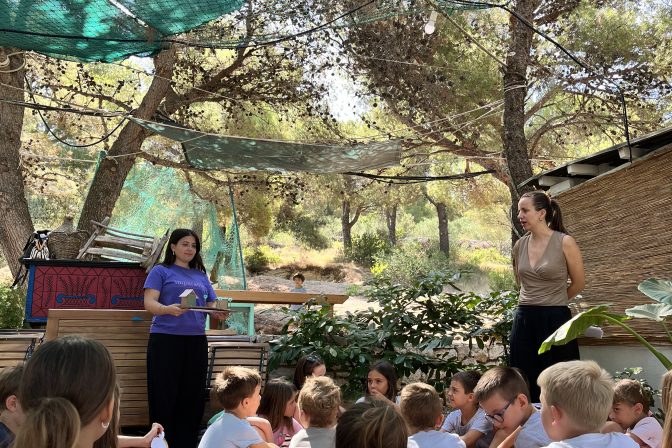
Our adventure began with a special letter from Pirate Captain Ana, who challenged the children to investigate why parks feel cooler than streets and parking lots. Through storytelling, curiosity, and teamwork, the children set out on a mission to understand how different surfaces and plants affect temperature.
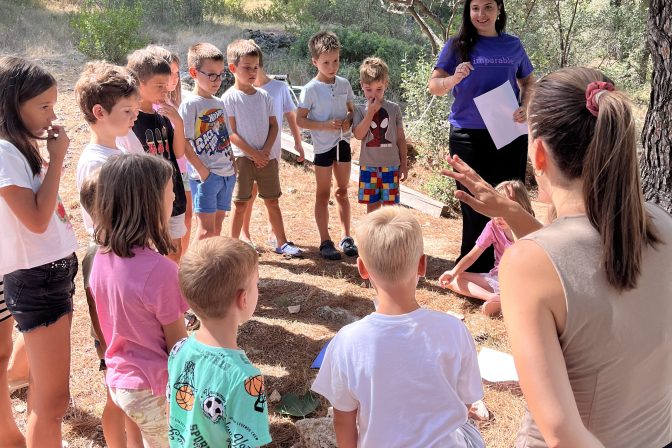
We started with an interactive True or False game, where the children tested their knowledge about trees, green spaces, and urban heat. Together, we explored how trees provide shade, why asphalt becomes much hotter than grass, and how green roofs and parks can make our cities more comfortable during hot summer days.
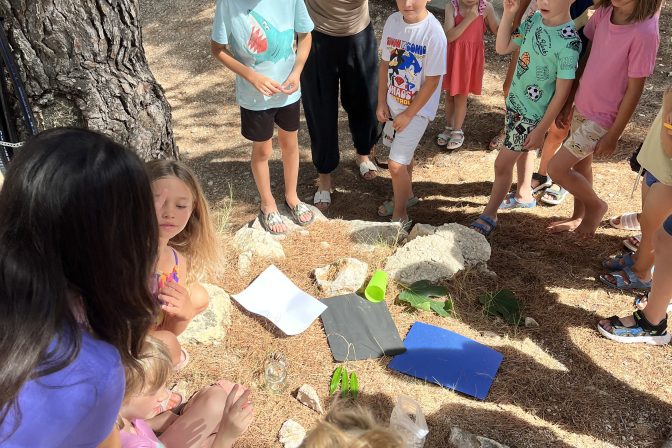
Next, the children carried out a hands-on temperature experiment. They compared different materials—including black and white paper, stones, sand, grass, plants, plastic, and metal—that had been left in the sun. By touching and observing each material, they discovered that dark and artificial surfaces absorb much more heat, while natural elements such as grass and plants remain noticeably cooler.
The investigation continued outdoors, where everyone became a Heat Detective equipped with a magnifying glass and coloured stickers. As they explored the surrounding area, they identified hot and cool spots, marking them with red and blue stickers. Afterwards, we reflected on the results together, noticing that shaded areas with trees and vegetation were consistently cooler than exposed concrete and asphalt surfaces.
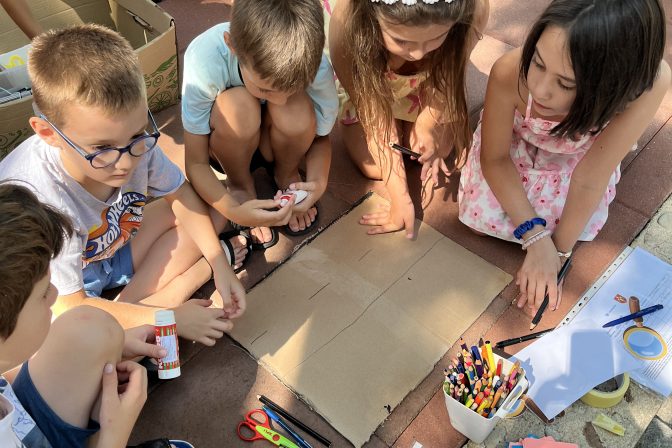
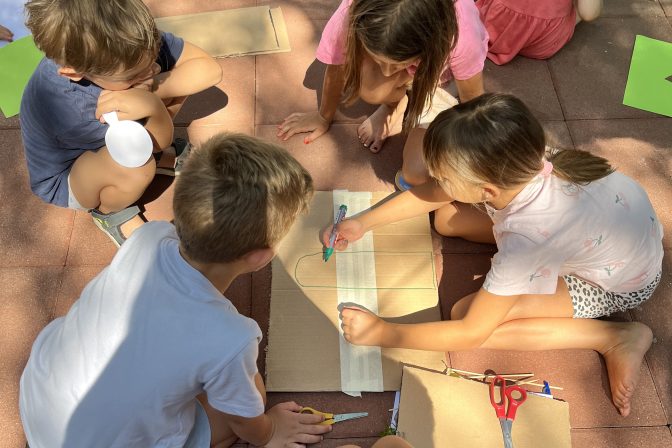
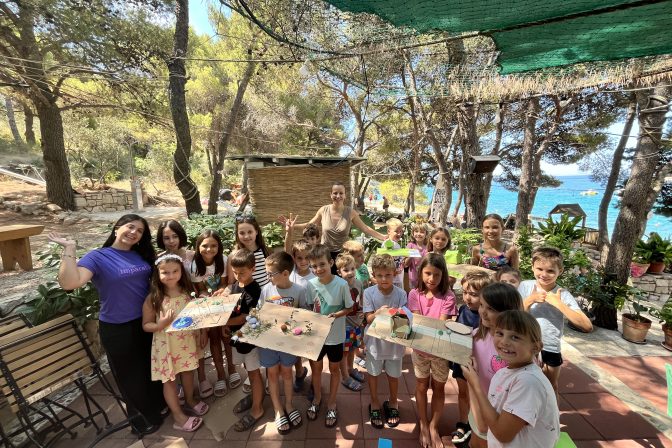
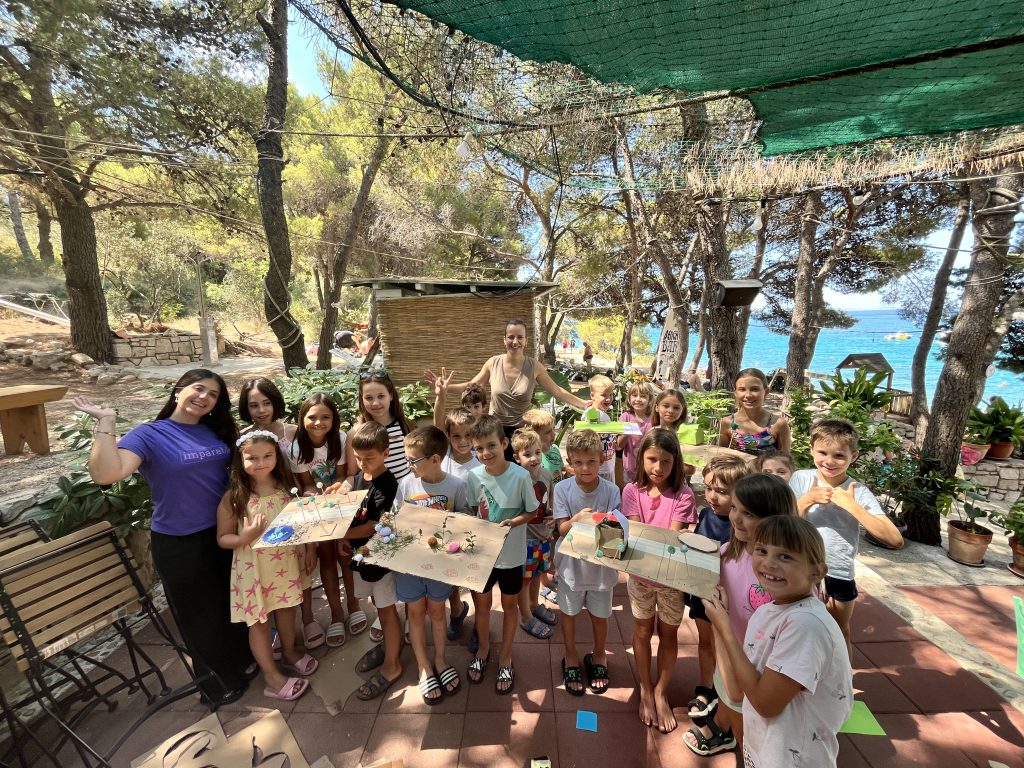
To finish the workshop, the children transformed into City Builders. Working in teams, they designed their own cooler, greener cities using natural and recycled materials. They carefully decided where to place trees, parks, green spaces, and shaded areas, applying everything they had learned throughout the day. Each group proudly presented their ideas and explained how their designs would help reduce heat and create healthier, more enjoyable places for people and wildlife.
By the end of the workshop, our young participants had discovered that nature plays a key role in reducing urban temperatures. Through play, experimentation, and creativity, they learned that planting trees, protecting green spaces, and choosing natural materials can make our communities cooler, healthier, and more resilient to climate change.
Our mission was a success—and we even sent a photo of our work to Pirate Captain Coral to show that the challenge had been completed!