
Study Visit: Youth Work Horizons vol. 2 in Jerez, Spain
- 25. 8. 2026.
- 08:01
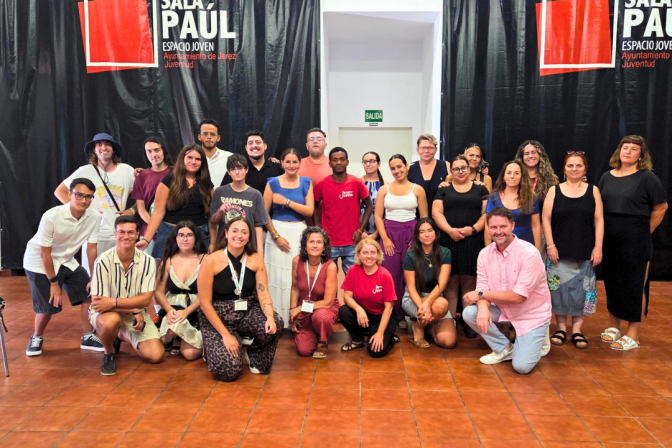
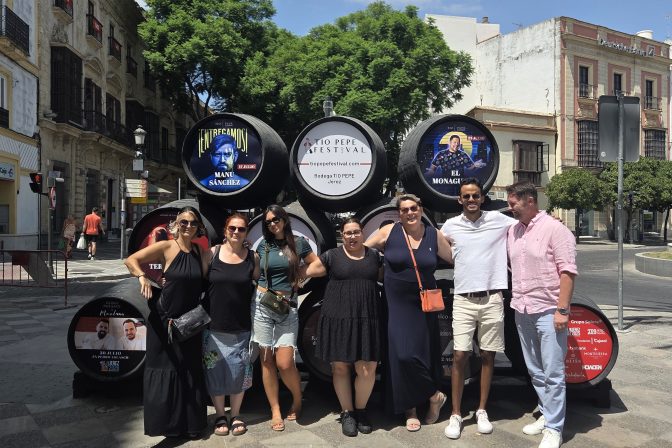
What does working with young people look like when viewed through the lens of the local community—its needs, available spaces, and collaboration among various stakeholders? That was precisely the focus of our study visit. Youth Work Horizons vol. 2, held in Jerez in Spain from August 19 to 22.
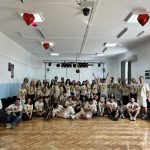
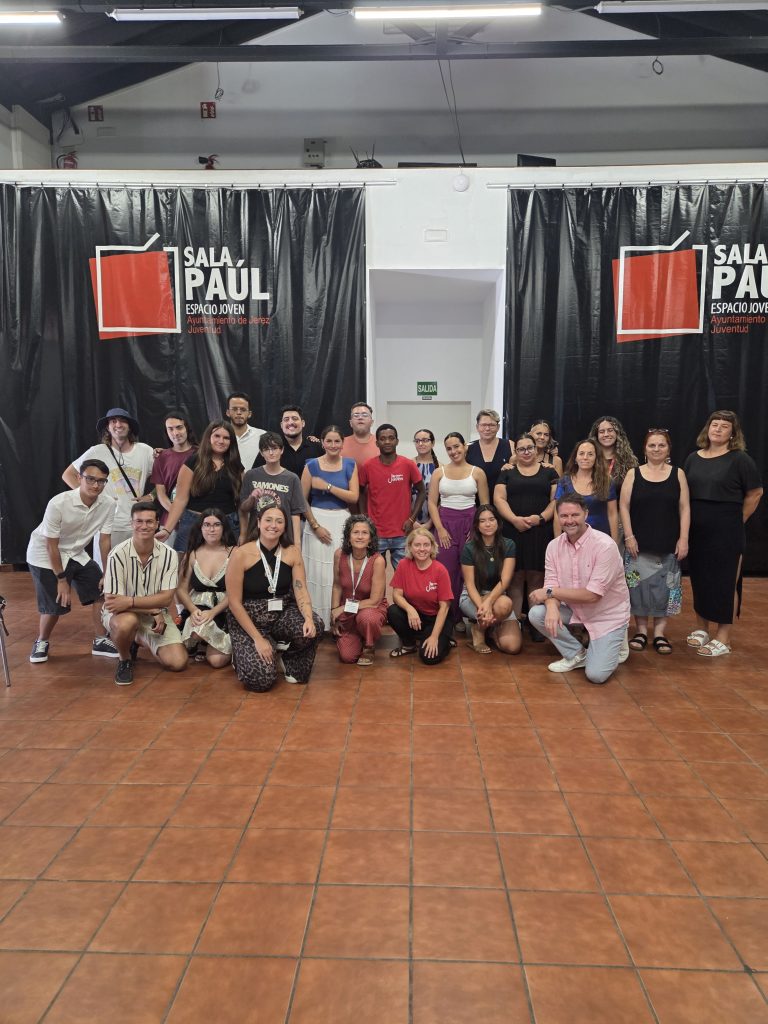
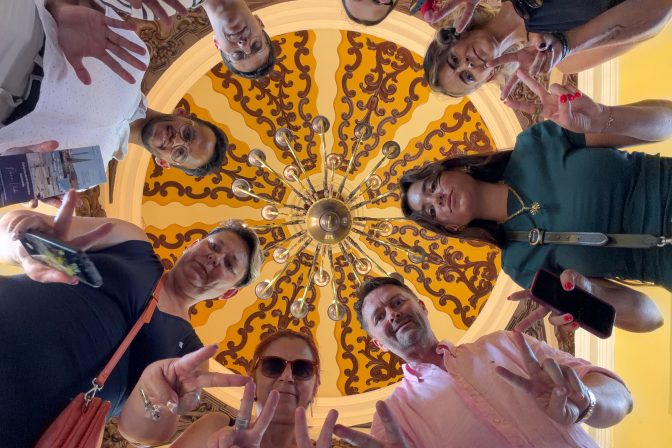
Over the course of four days, we had the opportunity to learn about different approaches to working with youth and to see how local organizations, youth workers, and the local government jointly create opportunities for their active involvement in the community.
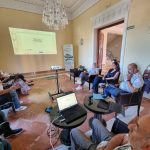
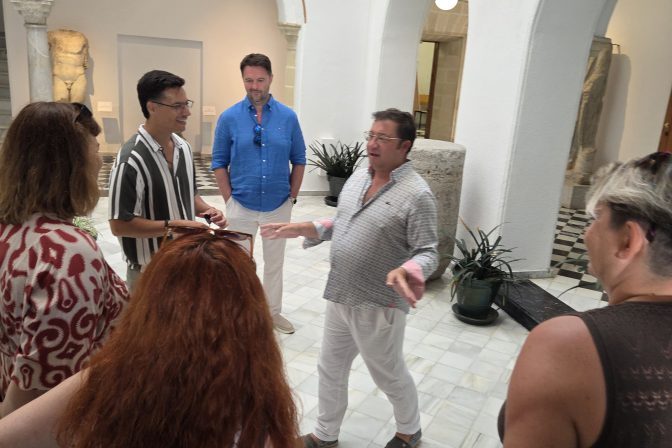
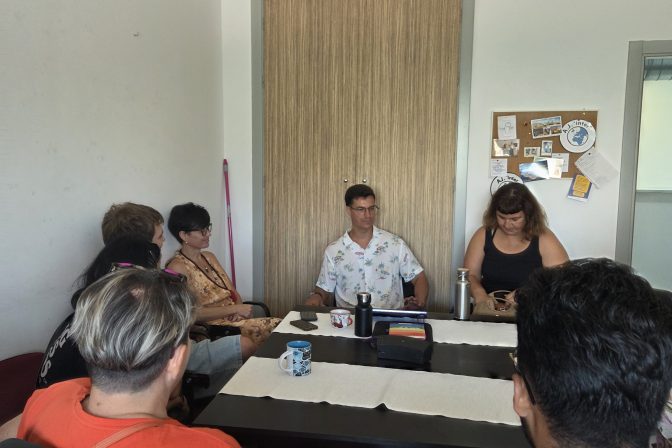
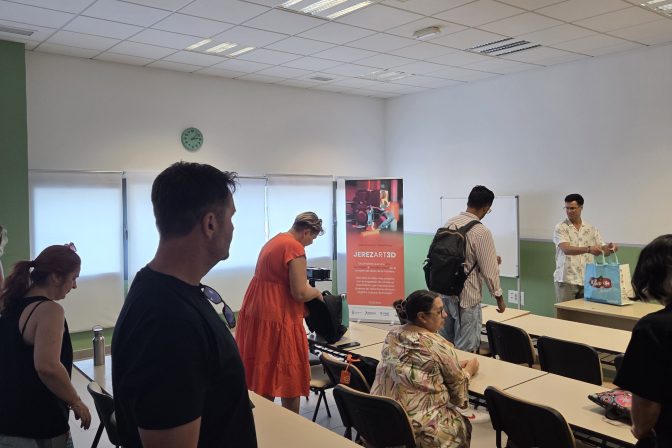
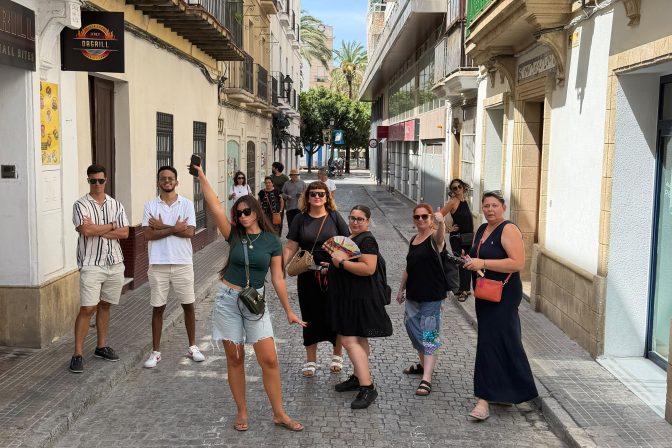
One of the most valuable parts of the visit was Networking with nine local organizations that operate in the field of youth work. Through conversations and visits, we became familiar with their programs, methods of engaging young people, and the challenges they face in their daily work. We were particularly interested in learning about the role local governments and Youth Departments and the spaces that the local community makes available to organizations for youth activities.
We also visited one of the locals. youth centerswhich, in addition to activities for young people, serves as a meeting place and hub for numerous local civil society organizations. It is precisely examples like these that have shown how important accessible spaces, mutual cooperation, and the interconnectedness of various community stakeholders are for quality work with young people.
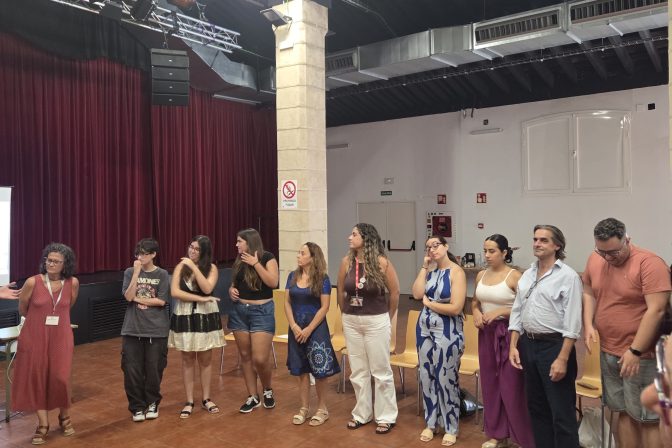
The study visit was also an opportunity to meet with our long-standing partners, exchange experiences with local youth workers, and talk with former and current European Solidarity Corps volunteers. The meetings provided a space for sharing best practices as well as for developing new ideas and future joint projects.
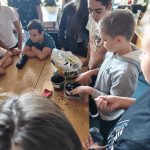
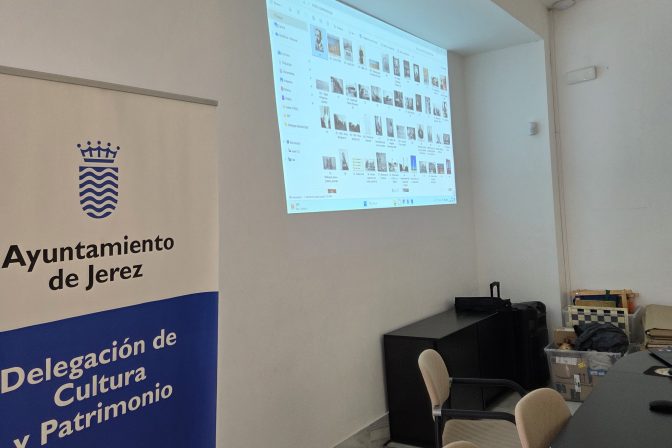
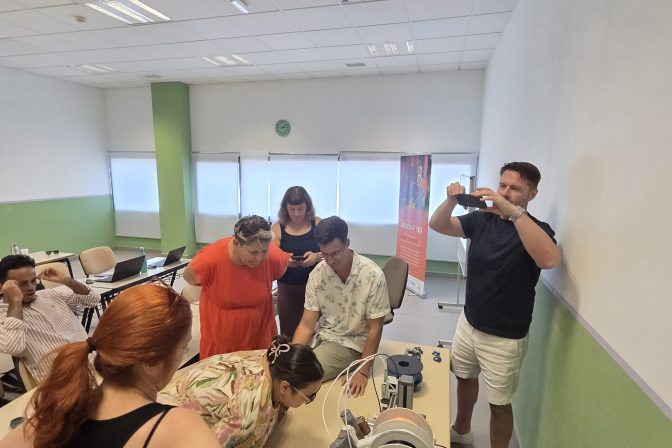
We also became acquainted with somewhat different approaches to working with young people. Our hosts from the organization Creamos Europa They presented ways they use 3D technology and interactive design in their work with young people, and we had the opportunity to try out some of these tools ourselves. At the same time, we shared with them the methods and tools developed through our Erasmus+ accreditation that we use to actively engage young people and prepare them to participate in projects and events.
An important part of the visit was the joint reflection: what can we take from everything we saw in Jerez and apply to our own local context? The goal is not simply to replicate someone else's models, but to identify good practices that we can adapt to the needs of young people, the capacities of organizations, and the specific characteristics of our local communities.
We concluded the program with a joint evaluation, working on the Youthpass, and reflecting on how to turn the acquired knowledge into concrete steps after returning home.
Youth Work Horizons vol. 2 allowed us to view our work with youth from the perspective of another local community, compare different approaches, strengthen existing partnerships, and find new ideas we can adapt to our work. Because quality youth work does not exist in isolation from the community; it develops precisely from its needs, people, spaces, and opportunities.
Financed by the European Union. The views and opinions expressed are solely those of the author(s) and do not necessarily reflect those of the European Union or the European Executive Agency for Education and Culture (EACEA). Neither the European Union nor the EACEA can be held responsible for them.

This project is supported by