
Argonauta in Sicily: Biochar and Terra Preta for Sustainable Agriculture
- 26. 3. 2026.
- 12:41
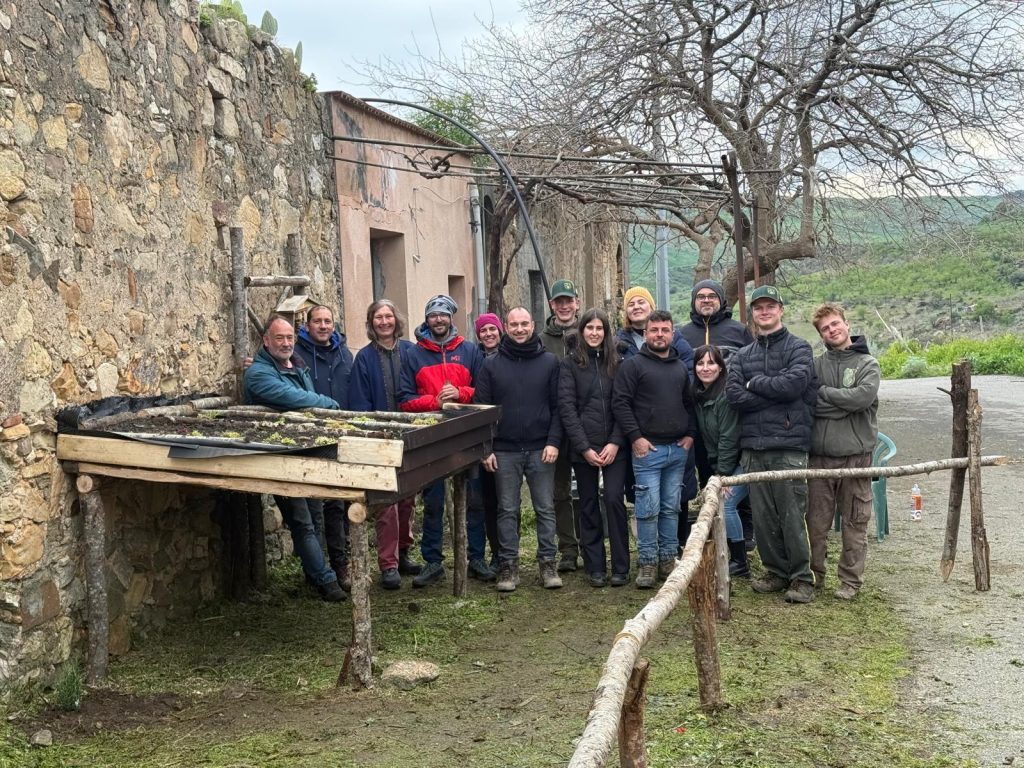
For the entire week, from March 16 to 21, 2026, the Argonauta association was in Sicily, in the town of Bronte on the slopes of Mount Etna, where the project's kick-off workshop was held. Cutting Carbon. Cilj projekta je prenošenje znanja o biougljenu i promicanje njegove primjene u poljoprivredi.
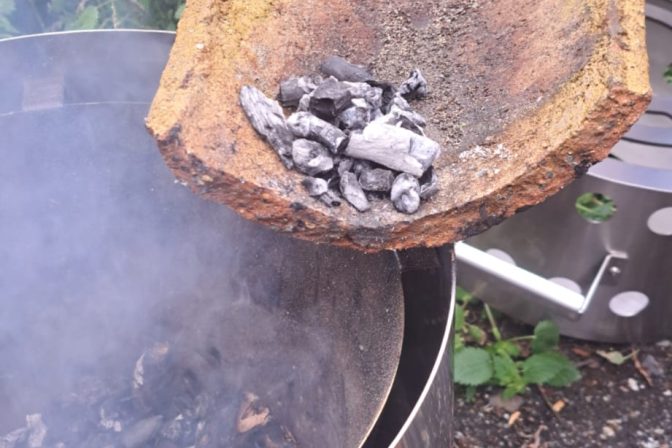
Biochar is a special type of charcoal produced from biomass, such as wood, plant residues, or pruning, through heating in the absence of oxygen. Its application enriches the soil by retaining water and nutrients, sequestering carbon in the long term, and reducing CO₂ emissions into the atmosphere. Organic waste is used in its production, while simultaneously having a positive effect on plant growth.
The Argonauts Association gathered field knowledge in Sicily from the Giacche Verdi Bronte organization, which already has experience in producing and promoting biochar for agricultural purposes.
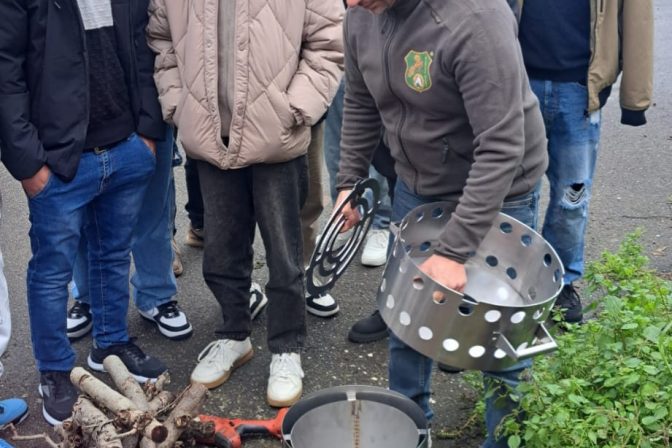
On the first day, all participants learned to produce biochar using the pyrolysis method with the Kon-Tiki, a conical metal vessel. By slowly burning pruning residues in the absence of oxygen, biochar was created, which we then mixed with organic fertilizer. Thus, Terra Preta was born—soil that benefits plants. If the fertilizer is fresh, you need to wait three months for the Terra Preta to be ready for agricultural use, and if it has already aged, it can be used after two weeks.
That same day, we visited a pistachio plantation grown organically in the traditional Sicilian way. That way, we learned firsthand about the cultivation process and the importance of preserving this long-standing agricultural tradition.
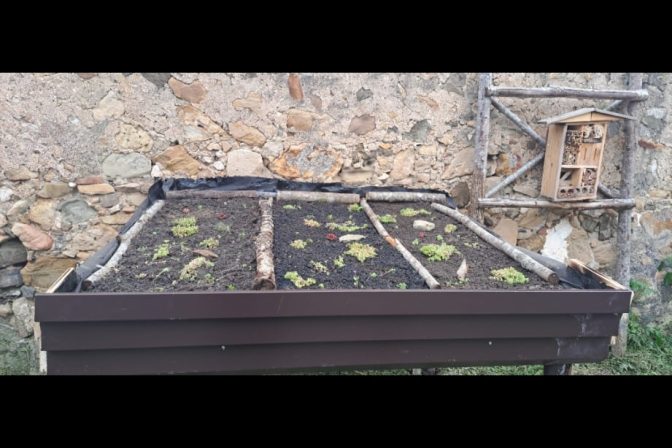
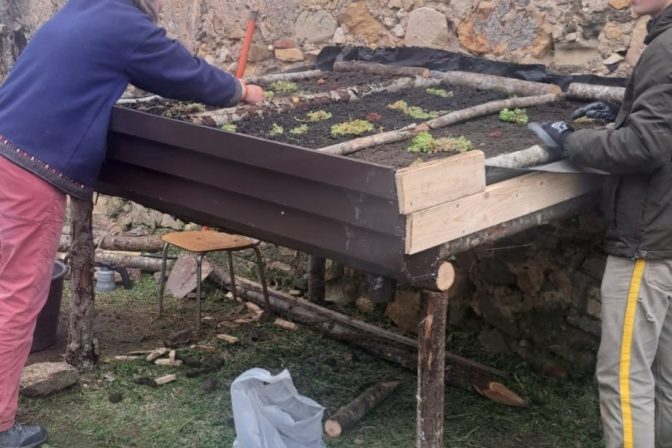
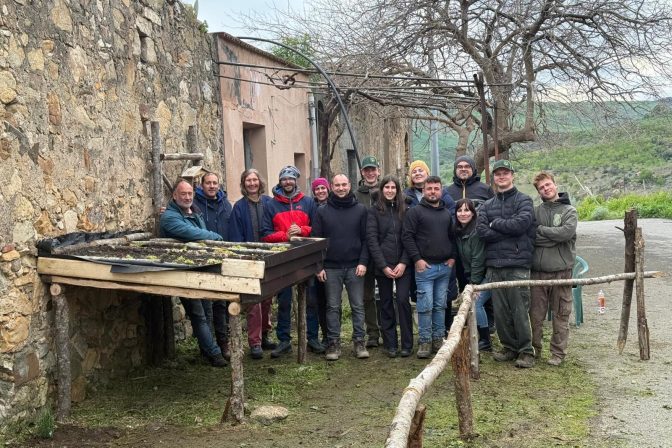
On the second day, we had a demonstration on how to build a green roof model. When constructing it, it's important to calculate the load-bearing capacity, as the weight of the soil and plants, along with rainfall, must be safely supported. First, a gutter is installed, then a waterproofing layer, and then soil is spread across the roof, into which plants are planted. It is best to use native and hardy species that do not require much care and can grow on their own.
A green roof improves a building's thermal insulation, reduces heating and cooling costs, and contributes to a more comfortable indoor climate. It also helps reduce air pollution and retain stormwater, thereby positively impacting the environment. The application of green roofs would be especially beneficial for commercial buildings, as it provides a dual benefit—to both people and nature.
After installing the green roof, the project partners – Giacche Verdi Bronte, Eco Logic from North Macedonia, the Manfred Hermsen Foundation, and Argonauta – held a meeting to discuss project activities and their implementation possibilities.
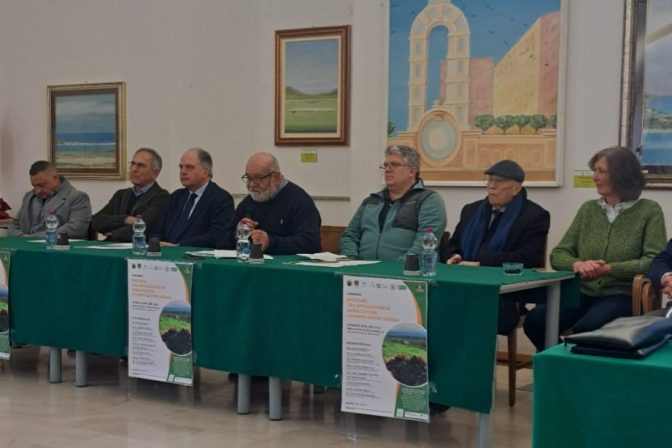
On Friday, March 20, we participated in a conference on the use of biochar in agriculture and urban planning in Bronte. Participants could hear expert presentations on the application of biochar for soil improvement, water retention, and in urban projects such as green roofs and tree plantings. The conference speakers sparked a discussion about sustainable solutions for reducing CO₂ emissions and strengthening cooperation between Italy, Croatia, and North Macedonia, the project's partner countries.
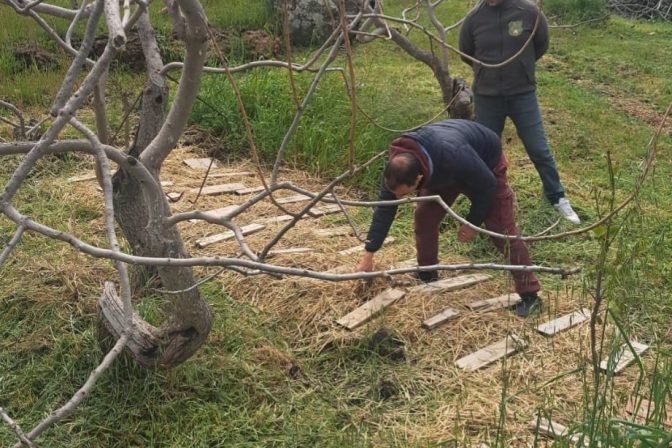
After the conference, as the final activity of our stay in Sicily, we participated in a planting event in front of the building of the service responsible for the protection of forests, the environment, and natural resources in Italy.
Our stay in Sicily provided us with invaluable experience and knowledge, and each activity demonstrated how important it is to connect tradition, innovation, and sustainable practices to preserve the environment and strengthen local communities.
This project is part of the European Climate Initiative (EUKI) of the German Federal Ministry for the Environment, Climate Action, Nature Conservation and Nuclear Safety (BMUKN).’