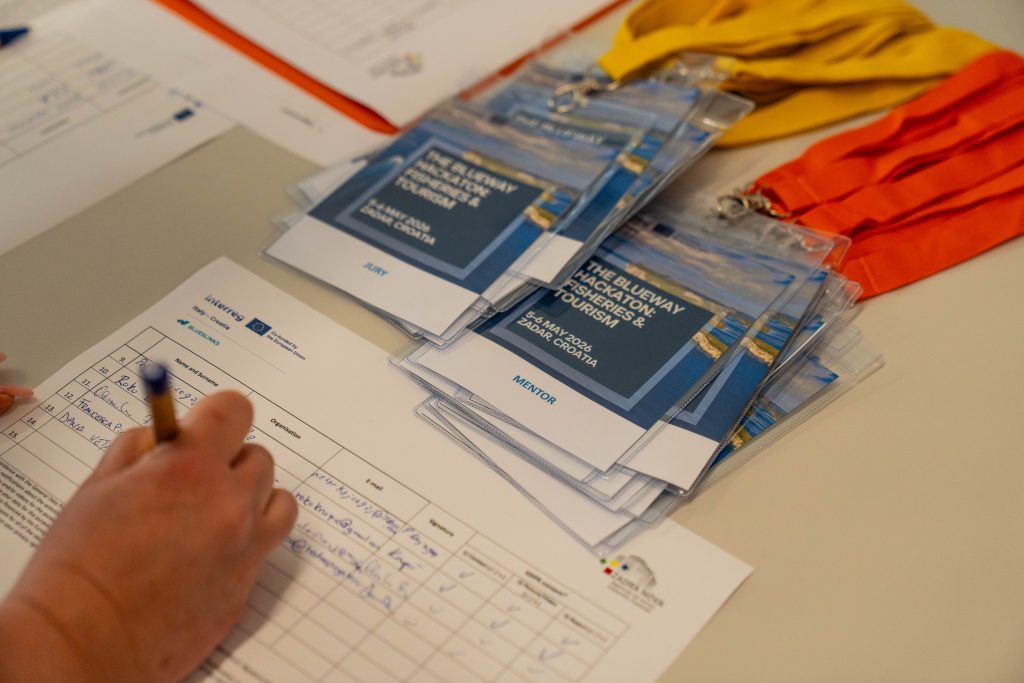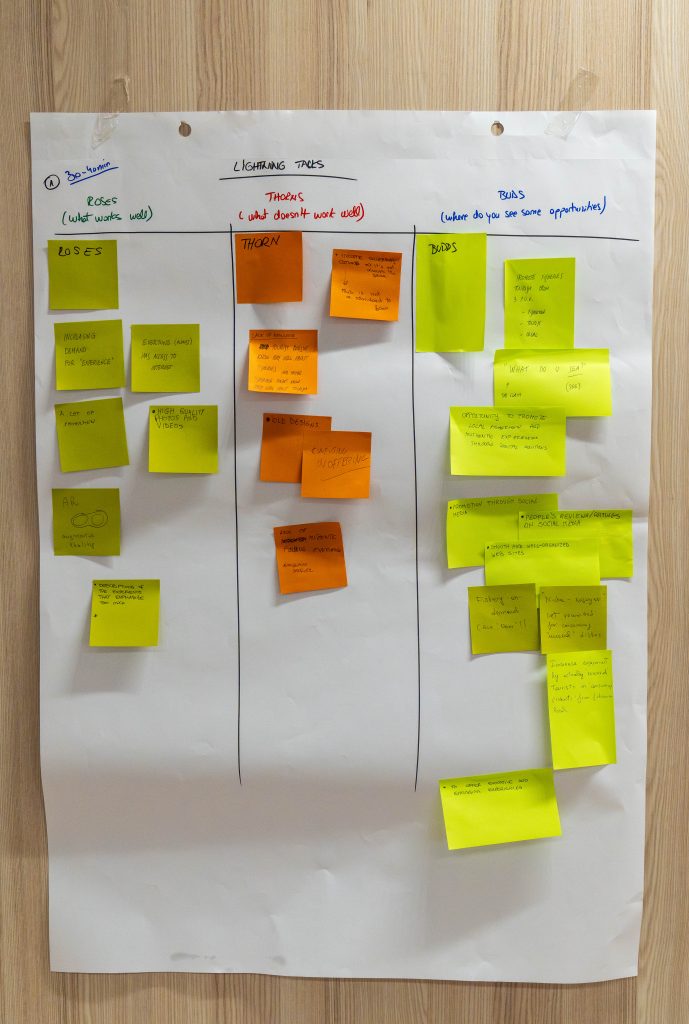

From May 4 to 6, Zadar hosted a series of activities within the framework of the BLUESLINKS – New Skills for the Blue Economy project, aimed at fostering innovation, sustainable development, and new competencies in the fields of the blue economy, fisheries, and fishing tourism. The programme began with the Innovation Day, during which small and medium-sized enterprises from Zadar County operating in the fisheries and fishing tourism sectors were presented. Participants had the opportunity to learn about examples of good practice, innovative business models, and new approaches to the development of a sustainable economy connected to the sea and coastal areas. As part of the first day, a meeting of project partners was also held, where the results achieved so far were presented alongside the activities planned for the final phase of the project. Since the project is approaching its conclusion, partners reviewed completed activities, defined priority tasks, and agreed on deadlines for the upcoming period. The second and third day of the event were dedicated to the BLUEWAY Hackathon, the third hackathon organized within the BLUESLINKS project. Over the course of two days, pupils and students worked on innovative solutions within three thematic areas: resilient coastal communities, digital experiences in the blue economy, and green and low-impact tourism. Divided into teams of five to seven members, and supported by mentors, professors, and teachers, participants developed projects focused on addressing the challenges faced by coastal communities, creating new experiences in the field of the blue economy, and developing more sustainable tourism models. After intensive work on developing their ideas, the teams presented their solutions on the second day to an expert jury composed of representatives from academia, development agencies, and the civil sector. The jury included Prof. Marijana Jerić, Prof. Slavica Čolak, and Prof. Vlatko Knežević from the University of Zadar, Luka Vukoša from the ZADRANOVA Development Agency, Ivona Jadrić from the Argonauta Association, Prof. Alberto Basset from the University of Salento, and Mauro Conficioni from the DELTA2000 Development Agency. The winning team was Local Catch, consisting of Mia Debeljak, Alessandro Fiore, Nicola Giovanelli, Sara Maffeo, and Emma Pinto, who worked on the theme Digital Blue Experience. Their proposed application connects local fishermen with tourists through authentic fishing tour experiences, offering visitors a unique insight into local communities while simultaneously preserving coastal identity and promoting fishing traditions. Congratulations to the winning team, as well as to all other participants who contributed to the success of the Hackathon with their dedication, creativity, and teamwork. We are confident that this experience will support their further personal and professional development and open new opportunities and perspectives for the future. The final part of the third day’s programme featured presentations of ideas developed by secondary school students from Croatia and Italy on topics related to the blue economy. Participating schools included Ekonomska škola Zadar and Gimnazija Antuna Vrančića Šibenik from Croatia, as well as the Italian schools Liceo De Giorgi, Istituto Tecnico ed Economico Deledda, and Istituto Nautico Da Vinci. The BLUESLINKS project continues with its activities, and the next event will be the Info Day on Fisheries and Fishing Tourism, which will take place on May 15 in the Italian city of Lecce. More information about the event is available at the link below.
Drugi i treći dan događanja u Zadru održao se BLUEWAY Hackaton, treći po redu u sklopu projekta Blueslinks. Učenici i studenti tijekom dva dana pronalazili su inovativna rješenja u području tri teme: otpornije obalne zajednice, digitalna iskustva u plavom gospodarstvu te zeleni i nisko utjecajni turizam. Podijeljeni u tri grupe od 5-7 učenika i studenata, uz pomoć stručnih mentora te profesora i učitelja razvijali su ideje i projekte koji će riješiti probleme napučenih obalnih zajednica, ponuditi nova, inovativna iskustva u području plavog gospodarstva te ponuditi rješenja koja će turizam učiniti održivijim.
Nakon što su prvog dana naporno radili na razvoju ideja, drugog dana su predstavili svoje ideje u kratkim predstavljanjima ispred stručnog žirija sastavljenih od 7 članova, a koji je donio ocjene o najboljem rješenju. Žiri u sastavu prof. Marijana Jerić, prof. Slavica Čolak, prof. Vlatko Knežević kao predstavnici Sveučilišta u Zadru, Luka Vukoša iz Razvojne agencije ZADRANOVA, Ivona Jadrić iz Udruge Argonauta, prof. Alerto Basset sa Sveučilišta Salento i Mauro Conficioni iz Razvojne agencije DELTA2000. Pobjedu je odnijela ekipa Local Catch u sastavu Mia Debeljak, Alessandro Fiore, Nicola Giovanelli, Sara Maffeo i Emma Pinto, koja je radila na temi Digital Blue Experience.
Njihov prijedlog aplikacije omogućuje povezivanje lokalnih ribara s turistima kroz ponudu autentičnih ribarskih tura. Cilj projekta je turistima pružiti jedinstveno iskustvo lokalne zajednice koju posjećuju, a istovremeno pridonijeti očuvanju obalnog identiteta i promociji ribarske djelatnosti.
Čestitamo pobjednicima, ali i svim ostalim sudionicima koji su se upustili u avanturu Hackathona te predano radili na razradi svojih ideja. Sigurni smo da će im iskustva ovog Hackatona pomoći u daljnjem osobnom i profesionalnom razvoju te otvoriti neke nove horizonte.
Zadnji dio trećeg dana programa u Zadru, završio je predstavljanjem ideja učenika srednjih škola iz Italije i Hrvatske a vezano za teme plavog gospodarstva. Sudjelovali su učenici hrvatskih škola — Ekonomske škole Zadar i Gimnazije Antuna Vrančića Šibenik — kao i učenici iz talijanskih škola Liceo De Giorgi, Istituto Tecnico ed Economico Deledda i Istituto Nautico Da Vinci.
Projekt BLUESLINKS nastavlja sa svojim aktivnostima, a prva aktivnost koja slijedi je Info dan o ribarstvu i ribolovnom turizmu koji će se održati u talijanskom gradu Lecce, 15 svibnja ove godine. Za više informacija o ovom događanju pročitajte na sljedećem this link.