
Educational Field Trips to the Kornati Islands: We Learn, Explore, and Create a Story About the Kornati Islands
- 17. 6. 2026.
- 11:20
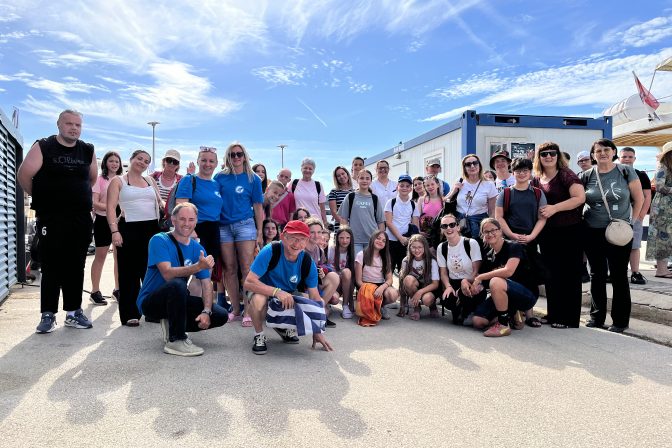
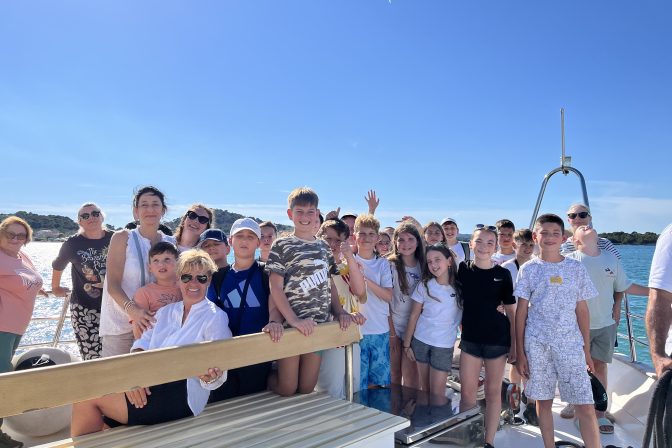
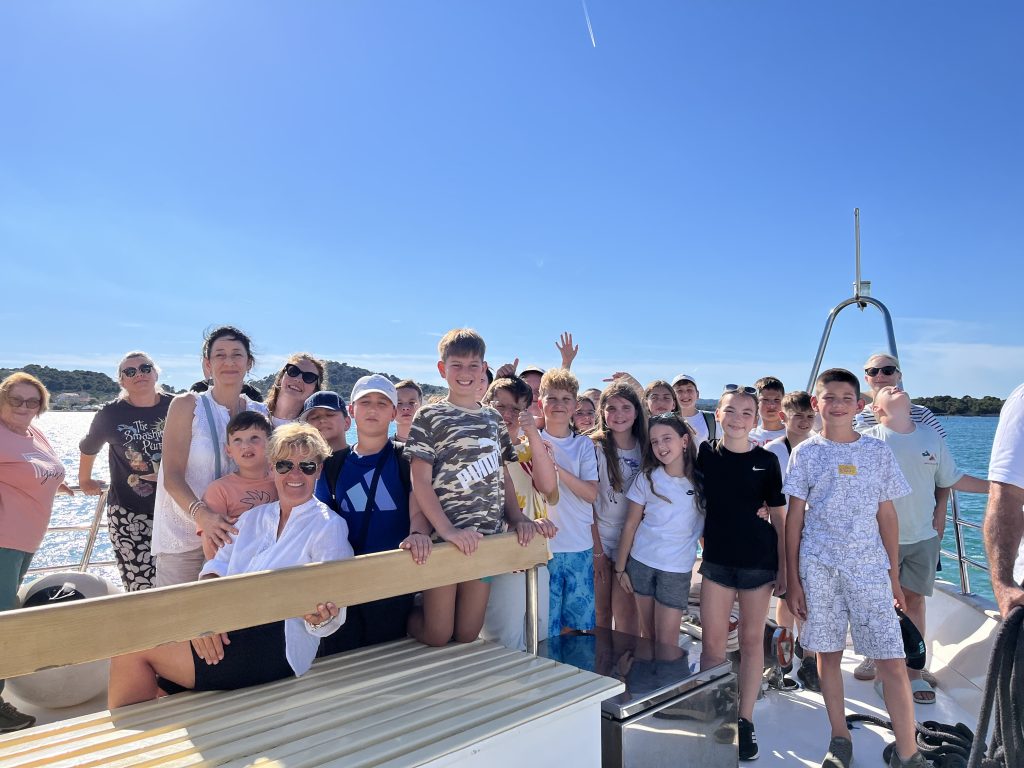
As part of the project “Kornati – 10 Things You Should Know About the Sea,” funded by the Ministry of Science, Education, and Youth, we organized two educational field trips to Kornati National Park on June 6 and 8, 2026.
The goal of the field trip was to introduce participants to the values of the Kornati Archipelago through learning, discussion, and creative work, and to foster an understanding of the importance of preserving nature and the marine environment.
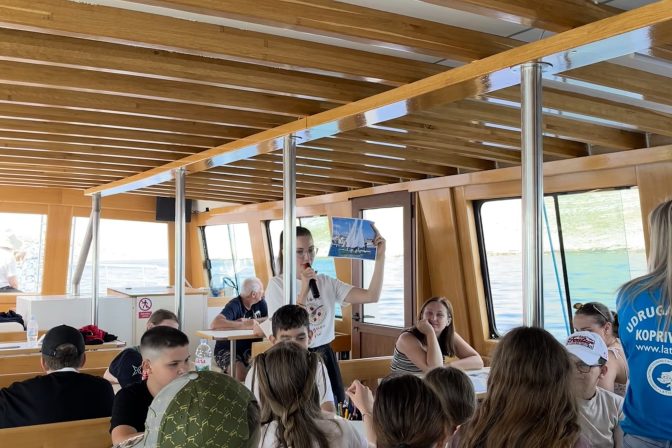
The educational workshops were designed for all attendees, with a special emphasis on inclusion and the active participation of each individual. Through collaborative work, participants had the opportunity to learn from one another and discover the Kornati Islands from different perspectives.
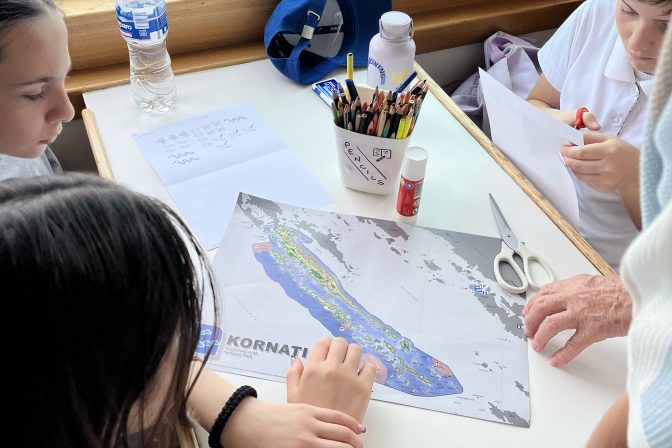
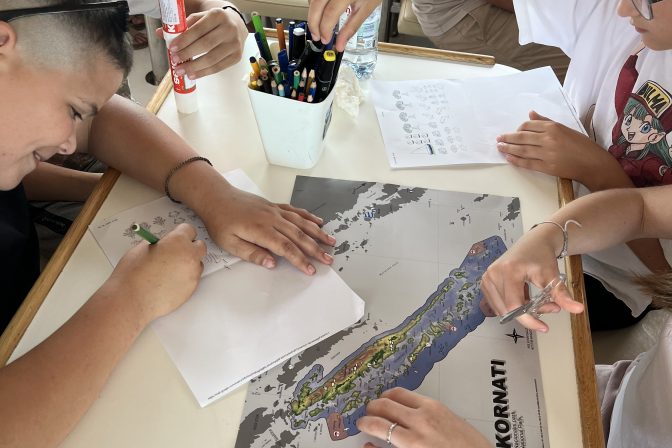
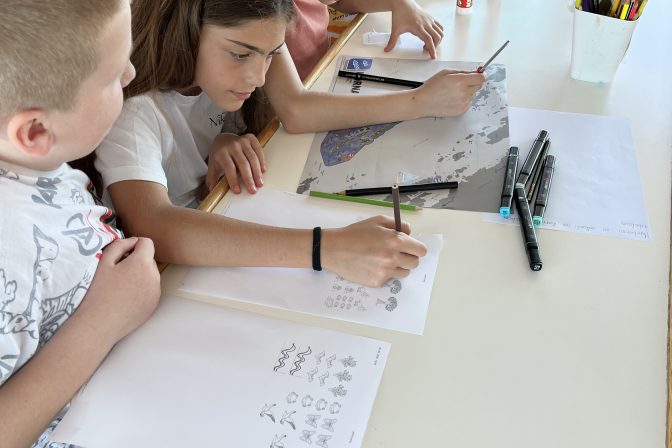
The “Let’s Build the Kornati” workshop guided participants through a story about how nature and people have shaped the Kornati as we know them today. By creating their own map of the Kornati, participants learned about the origins and unique features of this one-of-a-kind area—from the arrival of the Murter people and traditional island life, through sheepherding, olive growing, and dry-stone wall construction, all the way to the richness of the marine and terrestrial worlds. Special attention was given to the Kornati seabed—its inhabitants, the importance of Posidonia, and the marine habitats that protect the diverse life beneath the sea’s surface.
Through games, discussions, and teamwork, the participants discovered that the Kornati Islands are not just “rock and sea,” but a place shaped over the centuries by people, animals, the wind, the sea, and nature.
These educational trips once again demonstrated how important it is to learn about nature in nature itself—through experience, community, and active participation.
The goal of the field trip was to introduce participants to the values of the Kornati Archipelago through learning, discussion, and creative work, and to foster an understanding of the importance of preserving nature and the marine environment.
The educational workshops were designed for all attendees, with a special emphasis on inclusion and the active participation of each individual. Through collaborative work, participants had the opportunity to learn from one another and discover the Kornati Islands from different perspectives.
The “Let’s Build the Kornati” workshop guided participants through a story about how nature and people have shaped the Kornati as we know them today. By creating their own map of the Kornati, participants learned about the origins and unique features of this one-of-a-kind area—from the arrival of the Murter people and traditional island life, through sheepherding, olive growing, and dry-stone wall construction, all the way to the richness of the marine and terrestrial worlds. Special attention was given to the Kornati seabed—its inhabitants, the importance of Posidonia, and the marine habitats that protect the diverse life beneath the sea’s surface.
Through games, discussions, and teamwork, the participants discovered that the Kornati Islands are not just “rock and sea,” but a place shaped over the centuries by people, animals, the wind, the sea, and nature.
These educational trips once again demonstrated how important it is to learn about nature in nature itself—through experience, community, and active participation.
The third component of the project, alongside Eco Wednesday and Eco Patrol, has now officially concluded. We thank our donor, all partners, collaborators, and project participants for their support, effort, and collective contribution.
It was a great pleasure for us to carry out this project, and we look forward to new opportunities for learning and working together. We hope to see you again next year!
It was a great pleasure for us to carry out this project, and we look forward to new opportunities for learning and working together. We hope to see you again next year!