
Prva radionica projekta „Plava održivost“: Morski restoran u Betini
- 12. 8. 2026.
- 10:59
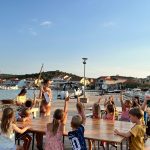
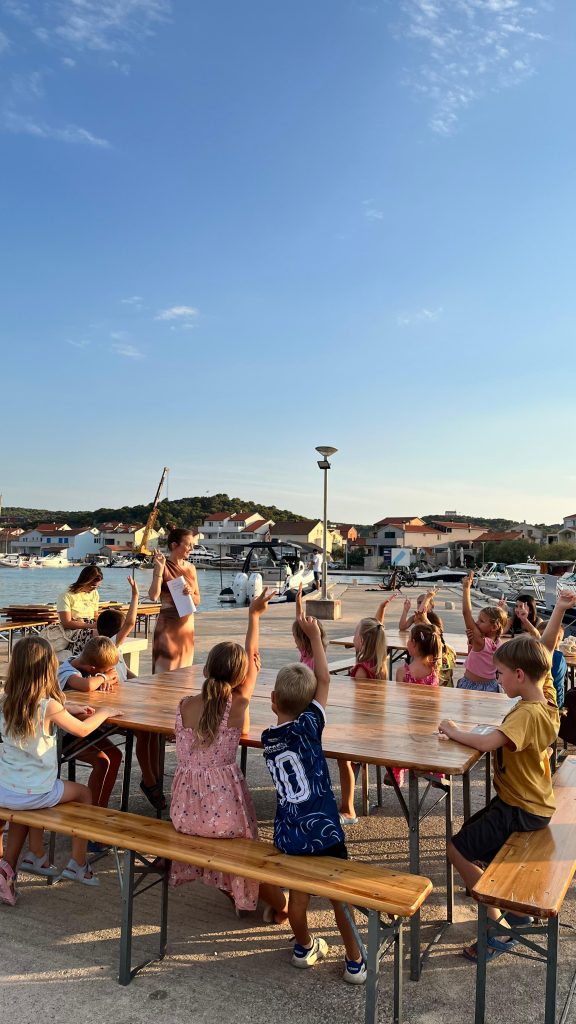
Kako izgleda život ispod površine mora? Što se događa kada u more dospije plastika ili kada izlovimo previše ribe? Upravo su na ta pitanja djeca tražila odgovore kroz edukativnu radionicu „Morski restoran: Čuvari morskog svijeta“, provedenu u sklopu projekta „Plava održivost“, čiji je nositelj Udruga Betinska gajeta 1740.
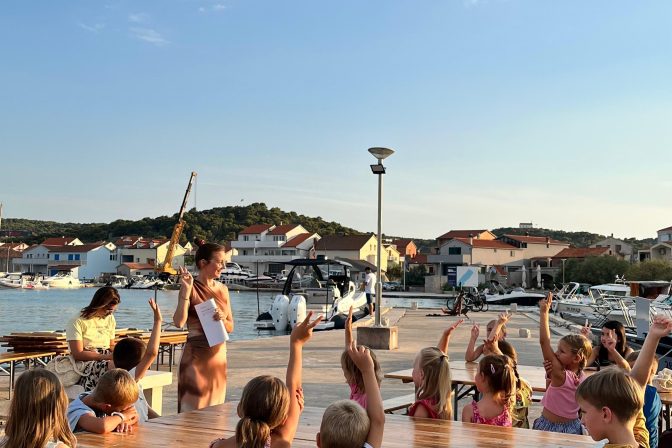
Radionica je djecu kroz igru, pokret, simulaciju i kreativni rad upoznala s bogatstvom morskog svijeta, ali i s izazovima s kojima se morski ekosustavi danas suočavaju.
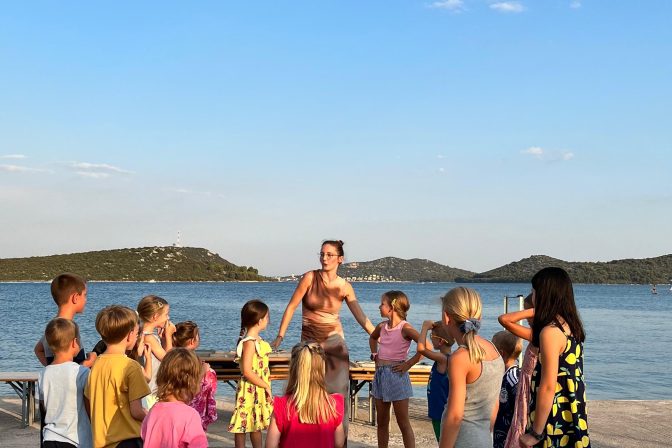
Na početku radionice djeca su odabrala morske životinje koje su predstavljala tijekom aktivnosti. Tako su se u našem „morskom restoranu“ našle ribe, hobotnice, rakovi, morske kornjače i drugi stanovnici mora. Kroz igru su djeca upoznala različite organizme i počela razmišljati o tome kako su svi oni međusobno povezani.
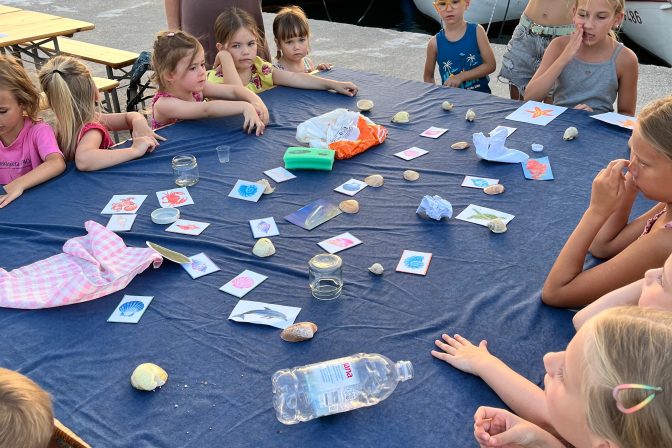
Poseban dio radionice bila je simulacijska igra „Morski restoran“, u kojoj je stol predstavljao morski ekosustav. Postupnim uvođenjem različitih prijetnji djeca su mogla vidjeti kako se promjene u okolišu odražavaju na cijeli morski svijet.
Prvo je u „more“ stigao otpad. Plastične boce, čepovi i različiti komadi ambalaže pokazali su koliko otpad može promijeniti životni prostor morskih organizama. Razgovarali smo o tome što se događa kada životinje progutaju plastiku ili se zapletu u otpad te kako onečišćenje može ugroziti život u moru.
Zatim smo se bavili prekomjernim ribolovom. Uklanjanjem velikog broja „riba“ iz našeg ekosustava djeca su mogla vidjeti što se događa kada iz mora uzmemo više nego što se priroda može obnoviti. Ovaj dio radionice povezali smo s tradicijskim ribarenjem i održivim korištenjem morskih resursa. Razgovarali smo o tome zašto je važno ostaviti dovoljno ribe za razmnožavanje i buduće generacije te kako ljudi mogu koristiti more, a istovremeno ga čuvati.
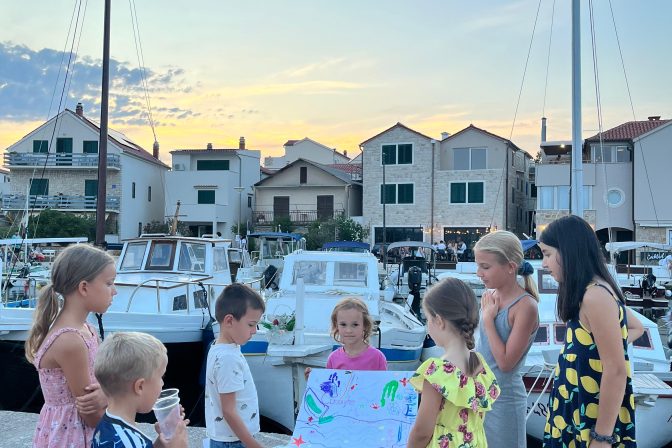
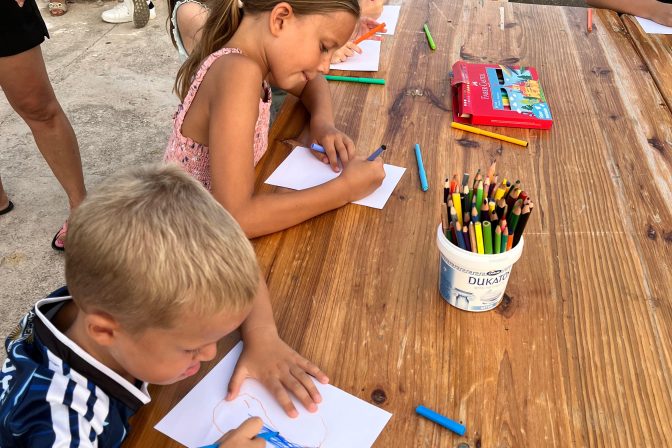
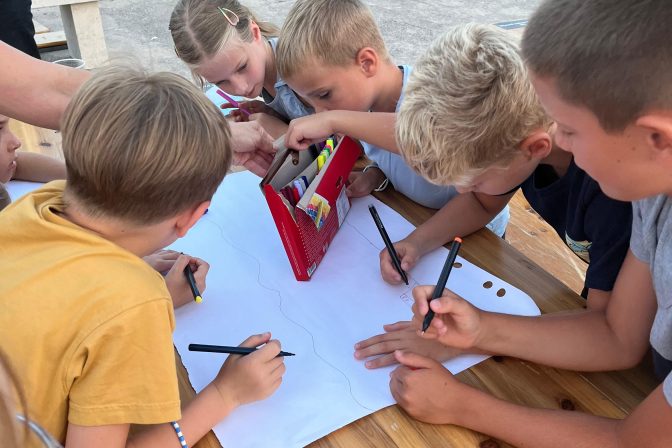
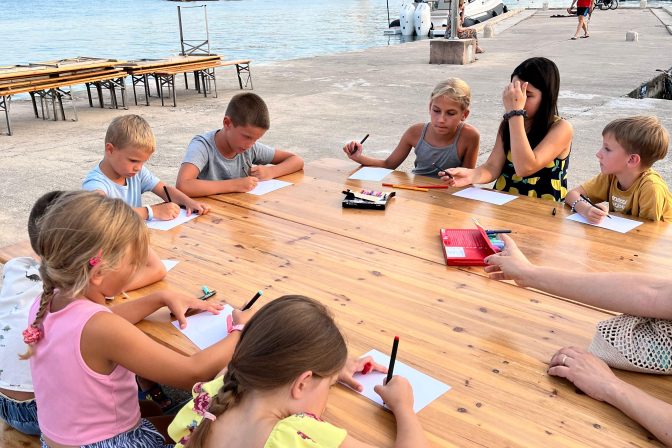
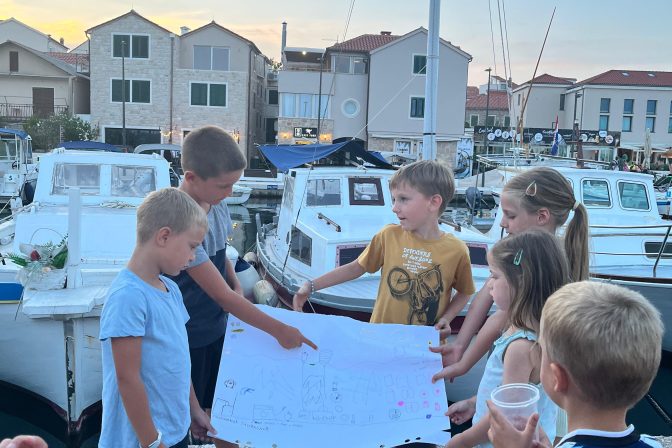
Nakon što su kroz simulaciju vidjeli kako more izgleda kada iz njega postupno nestaju pojedini organizmi, uslijedio je kreativni dio radionice. Djeca su od recikliranih materijala izrađivala vlastite poruke i plakate za zaštitu mora. Promišljala su o tome kakvo more žele ostaviti budućim generacijama i kako svatko od nas svojim svakodnevnim postupcima može pridonijeti njegovom očuvanju.
Radionicu smo završili razgovorom o onome što su naučili, ali i pitanjem: „Što ja mogu učiniti za more?“ Od smanjenja upotrebe jednokratne plastike i pravilnog odlaganja otpada do odgovornog ponašanja prema prirodi – djeca su prepoznala da zaštita mora nije samo zadatak znanstvenika, ribara ili institucija. Ona počinje i našim svakodnevnim izborima.
Kroz ovu radionicu željeli smo djeci približiti važnost morske bioraznolikosti, odgovornog korištenja morskih resursa i očuvanja morskog okoliša na način koji im je blizak, razumljiv i zabavan. Jer kada upoznamo more, lakše ćemo ga zavoljeti – a kada ga zavolimo, željet ćemo ga i čuvati.
Projekt „Plava održivost“ sufinanciran je sredstvima Europske unije.
Radionica je djecu kroz igru, pokret, simulaciju i kreativni rad upoznala s bogatstvom morskog svijeta, ali i s izazovima s kojima se morski ekosustavi danas suočavaju.
Na početku radionice djeca su odabrala morske životinje koje su predstavljala tijekom aktivnosti. Tako su se u našem „morskom restoranu“ našle ribe, hobotnice, rakovi, morske kornjače i drugi stanovnici mora. Kroz igru su djeca upoznala različite organizme i počela razmišljati o tome kako su svi oni međusobno povezani.
Poseban dio radionice bila je simulacijska igra „Morski restoran“, u kojoj je stol predstavljao morski ekosustav. Postupnim uvođenjem različitih prijetnji djeca su mogla vidjeti kako se promjene u okolišu odražavaju na cijeli morski svijet.
Prvo je u „more“ stigao otpad. Plastične boce, čepovi i različiti komadi ambalaže pokazali su koliko otpad može promijeniti životni prostor morskih organizama. Razgovarali smo o tome što se događa kada životinje progutaju plastiku ili se zapletu u otpad te kako onečišćenje može ugroziti život u moru.
Zatim smo se bavili prekomjernim ribolovom. Uklanjanjem velikog broja „riba“ iz našeg ekosustava djeca su mogla vidjeti što se događa kada iz mora uzmemo više nego što se priroda može obnoviti. Ovaj dio radionice povezali smo s tradicijskim ribarenjem i održivim korištenjem morskih resursa. Razgovarali smo o tome zašto je važno ostaviti dovoljno ribe za razmnožavanje i buduće generacije te kako ljudi mogu koristiti more, a istovremeno ga čuvati.
Nakon što su kroz simulaciju vidjeli kako more izgleda kada iz njega postupno nestaju pojedini organizmi, uslijedio je kreativni dio radionice. Djeca su od recikliranih materijala izrađivala vlastite poruke i plakate za zaštitu mora. Promišljala su o tome kakvo more žele ostaviti budućim generacijama i kako svatko od nas svojim svakodnevnim postupcima može pridonijeti njegovom očuvanju.
Radionicu smo završili razgovorom o onome što su naučili, ali i pitanjem: „Što ja mogu učiniti za more?“ Od smanjenja upotrebe jednokratne plastike i pravilnog odlaganja otpada do odgovornog ponašanja prema prirodi – djeca su prepoznala da zaštita mora nije samo zadatak znanstvenika, ribara ili institucija. Ona počinje i našim svakodnevnim izborima.
Kroz ovu radionicu željeli smo djeci približiti važnost morske bioraznolikosti, odgovornog korištenja morskih resursa i očuvanja morskog okoliša na način koji im je blizak, razumljiv i zabavan. Jer kada upoznamo more, lakše ćemo ga zavoljeti – a kada ga zavolimo, željet ćemo ga i čuvati.
Projekt „Plava održivost“ sufinanciran je sredstvima Europske unije.