

Sunny day and the 2nd zero-waste workshop in Tisno
- 25. 2. 2026.
- 13:33
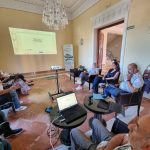
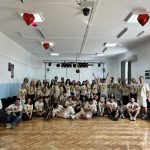
As part of the partnership with LAG “More 249”, within the project Let's close the loop of change V, a second one was also carried out Zero Waste Workshop Through a series of interactive and hands-on activities, students developed collaboration, communication skills, and an awareness of the importance of reducing waste in everyday life. Through teamwork, creative tasks, and hands-on planting, they learned how small changes can have a big impact on the environment.
The workshop began with a team-building activity aimed at strengthening cooperation and communication among the students. Divided into smaller groups, the students were tasked with forming a “sculpture” using only their bodies. They discussed what to depict, coordinated their movements, and finally presented their creations to the class. The activity promoted listening, planning, and collaborative decision-making.
The “Leader” energizer followed. Students stood in a circle while one student in the middle tried to figure out who was initiating the designated movements that the others followed. The game developed concentration, observation, and team coordination.
After the introductory activities, the students presented their eco-gadgets – creative solutions for reducing waste and using resources more efficiently. They explained what their products are for, what materials they're made of, and how they contribute to environmental conservation, while the others asked questions and offered comments.
The central part of the workshop was a “mini investigation” into waste in everyday situations such as cooking, celebrating birthdays, picnics, closet cleaning, and the school's long break. Students identified sources of waste and proposed ways to reduce it by applying zero waste principles (7Rs) – refuse, reduce, reuse, and recycle.
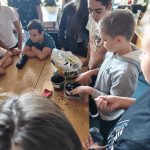
In the hands-on portion, they planted oregano, basil, and marigolds in eggshells, linking the theme of waste reduction with caring for plants and responsible stewardship of nature.
The workshop concluded with a reflection in which the students highlighted the most important insights and wrote down two changes they plan to implement at home or at school. Through the activities, they developed an understanding of how waste is generated and adopted more responsible behavior in everyday situations.
The project is co-financed by the Ministry of Science, Education and Youth.


This project is supported by